

Golf ball compression is one of the most commonly discussed factors when choosing the right golf ball. Many golfers hear recommendations about selecting a ball that matches their swing speed, but it is not always clear what actually happens when the compression level does not match the player.
A common question golfers ask is what happens if someone who typically plays a higher-compression ball uses one with significantly lower compression. Will it affect distance, spin, or ball flight?
Understanding how compression works can help golfers choose equipment that fits their swing and playing style.
What Is Golf Ball Compression?
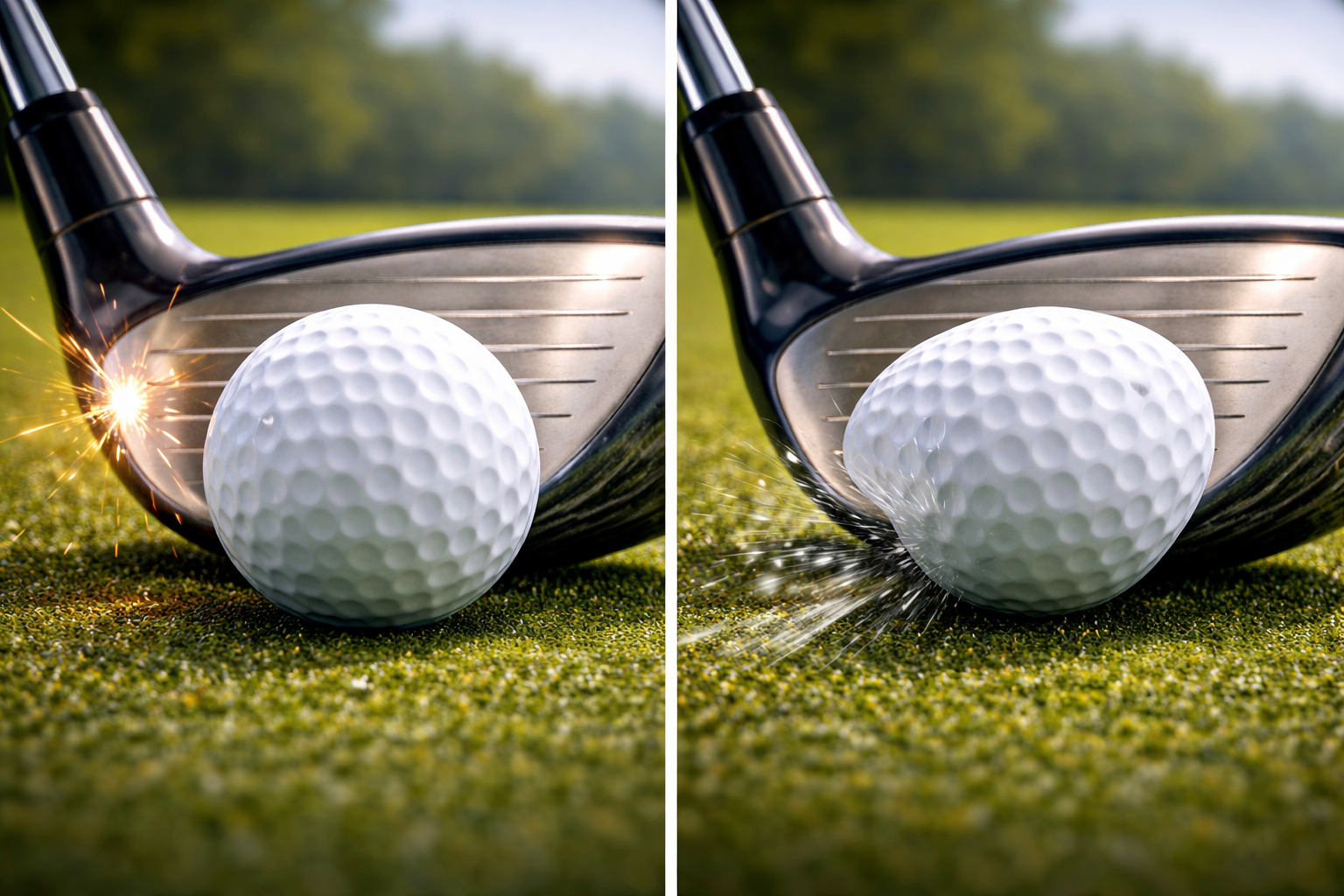
Compression refers to how much a golf ball deforms when it is struck by the clubface. A ball with higher compression is firmer and requires more force to compress properly. A ball with lower compression is softer and compresses more easily when hit.
Compression ratings typically range from around 40 to 100 or more. Lower numbers indicate softer balls, while higher numbers indicate firmer balls.
Golfers with faster swing speeds often prefer higher-compression balls, while players with slower swing speeds may benefit from lower-compression balls.
How Compression Affects Performance
Compression influences several aspects of ball performance, including launch, spin, feel, and distance. When the compression level matches a player’s swing characteristics, the ball performs more efficiently.
If the compression level is too low for a golfer’s swing speed, the ball may behave differently than expected.
Potential Effects of Using a Low-Compression Ball
1. Softer Feel at Impact
One of the most noticeable differences when using a low-compression golf ball is the softer feel at impact. The ball compresses more easily, creating a cushioned sensation when struck.
Some golfers enjoy this softer feel, particularly around the greens when putting or chipping.
2. Higher Launch Angle
Low-compression balls often launch slightly higher because they deform more easily at impact. This can help players who struggle to get the ball airborne.
However, golfers with faster swing speeds may notice a slightly higher launch than intended.
3. Possible Distance Changes
If a golfer with a very fast swing speed uses an extremely soft ball, the ball may compress too easily. In some cases, this can slightly reduce energy transfer at impact.
The result may be a small reduction in maximum distance compared to a ball designed for higher swing speeds.
4. Increased Spin
Low-compression balls sometimes produce slightly higher spin rates, particularly with shorter clubs. This can provide additional control around the green.
For some golfers, this added spin improves stopping power on approach shots.
Do Compression Differences Always Matter?
While compression differences can influence performance, the effects are often smaller than many golfers expect. Modern golf ball technology has improved significantly, and many balls are designed to perform well across a wide range of swing speeds.
For recreational golfers, factors such as consistency, feel, and overall confidence often matter more than compression alone.
How Swing Speed Influences Ball Choice
Golfers with faster swing speeds tend to generate more force at impact. Higher-compression balls are designed to handle this force efficiently.
Players with moderate or slower swing speeds may not compress a very firm ball effectively. In those cases, a softer ball can help maximize distance and launch.
Matching compression to swing speed simply helps optimize energy transfer between the clubface and the ball.
Other Factors That Matter More
Compression is only one factor when choosing a golf ball. Several other characteristics can influence performance even more.
- Ball construction (two-piece, three-piece, or multi-layer)
- Cover material
- Dimple design
- Spin characteristics
These elements work together to determine how the ball flies, spins, and reacts on the green.
Should You Experiment With Different Balls?
Testing different golf balls during practice rounds is one of the best ways to find the right option. Trying balls with different compression levels can help golfers identify which one feels most comfortable and produces consistent results.
Small differences in feel, launch, and spin can influence confidence during a round.
Final Thoughts
Using a golf ball with lower compression than recommended for your swing speed is usually not a major problem. The ball may feel softer, launch slightly higher, and spin a bit more, but many golfers can still play effectively with a wide range of compression levels.
The most important factor is choosing a ball that feels comfortable and produces consistent performance on the course.
Golf equipment works best when it matches the individual golfer’s swing, preferences, and playing style. Experimenting with different options can help identify the combination that leads to the best overall results.
Leave a Reply